From hospital retrofit to EPBD readiness: BACS upgrade in 13 public healthcare buildings in Tuscany
- Project: North West Tuscany Local Health Unit
- Buildings: 13 public hospital buildings
- Country: Italy
- Technology: Integrated Building Management System
- Automation level: EN ISO 52120 Class C/D to Class A
- Results: 40% energy savings, 8,400 tonnes CO₂ saved, SRI potential from ~50% to ~72%
- Delivery model: Energy Performance Contracting
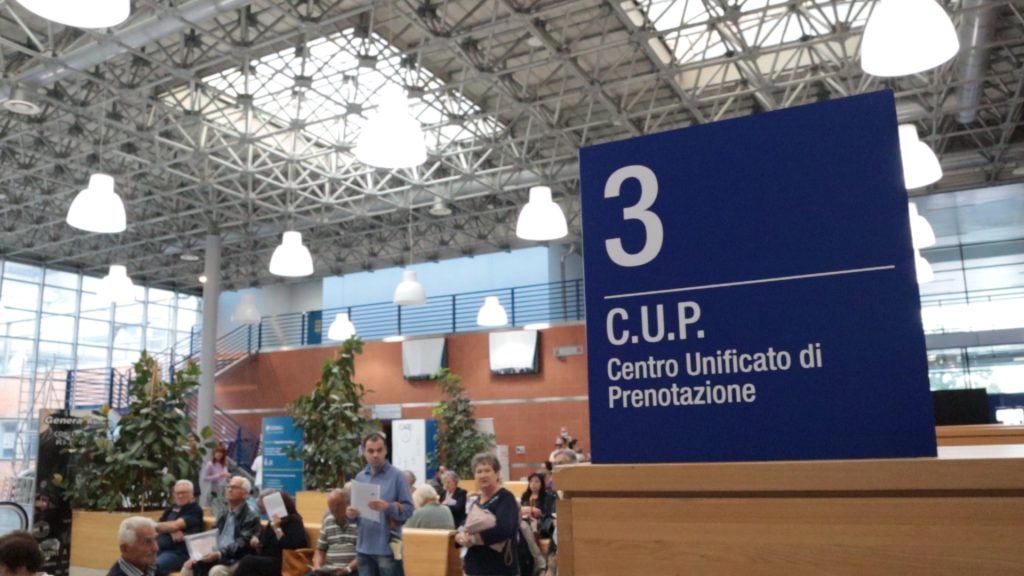
Improving the performance of existing buildings is one of the biggest challenges of EPBD implementation. This is especially true for hospitals, where energy performance, indoor air quality, safety and operational continuity all need to be managed at the same time. This case study looks at a large-scale retrofit project delivered by Schneider Electric for the North West Tuscany Local Health Authority, covering 13 existing public hospital buildings across the region.
At the start of the project, the level of building automation across the portfolio varied, typically ranging from EN ISO 52120 Class D to Class C. The objective was to upgrade these buildings to Class A, improving energy performance and operational efficiency while maintaining the high level of control required in clinical environments.
The response: advanced control aligned with EPBD requirements
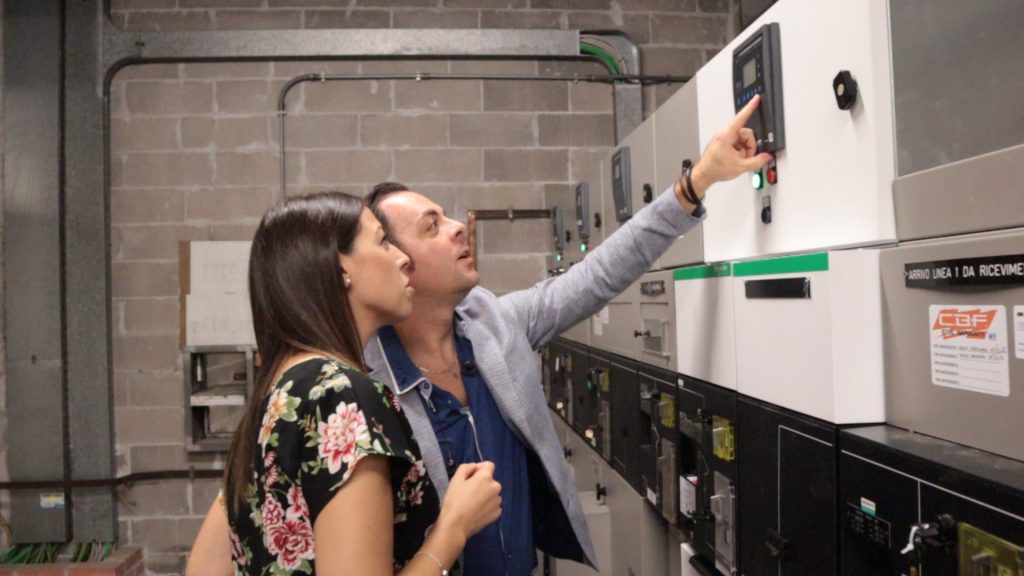
A centralised Integrated Building Management System (IBMS) was implemented, allowing multiple technical domains — including HVAC, lighting and energy metering — to be managed through a single digital platform. This enabled continuous monitoring, analysis and optimisation of energy use, in line with the recast Energy Performance of Buildings (EPBD) requirements for BACS in non-residential buildings.
Special attention was given to the differentiated needs of hospital spaces. In sensitive environments such as operating rooms, the control system ensures that highly regulated air quality and ventilation requirements are maintained, while avoiding unnecessary energy consumption when spaces are not in use. The same control logic supports more flexible and demand‑based management in areas with different functions, such as administrative offices and hospitality zones.
In parallel, one representative hospital building was used to test and assess Smart Readiness Indicator (SRI) performance. Starting from a situation with limited automation, different BMS‑based improvements were evaluated to understand how increased control, integration and predictability could enhance the building’s smart readiness level from 52% to 72% — highlighting the close link between advanced BACS and SRI outcomes.
The project was implemented using an ESCO‑based Energy Performance Contract (EPC), enabling North West Tuscany USL to upgrade automation and digital control systems across its hospitals while spreading investment over time and linking costs to verified energy performance improvements.
Why this matters for the EPBD
This project demonstrates several BACS functions that are directly relevant to national EPBD implementation:
- continuous monitoring and analysis of energy use;
- benchmarking and detection of inefficient system operation;
- communication across different technical building systems;
- improved control of energy use in complex, high-demand buildings;
- support for smart readiness assessment and improvement.
Rather than treating EPBD requirements as abstract obligations, the project shows how building automation can support practical, measurable improvements in existing public buildings.
Reported impact
The project reported strong performance improvements in the first year, including:
- 40% energy savings;
- 8,400 tonnes of CO₂ saved, equivalent to a 41% reduction;
- SRI potential improved from 52% to 72%.
These results show the potential of BACS upgrades to deliver measurable energy and climate benefits, even in complex and mission-critical buildings such as hospitals. Beyond energy and emissions, the project also delivered operational benefits for hospital facility teams. The use of a single digital management platform improved visibility over technical systems, supported remote supervision of geographically dispersed buildings, and enabled more precise control of indoor environmental conditions in sensitive clinical spaces, while adapting energy use to real occupancy and demand in other areas of the hospitals.
For national authorities and implementation stakeholders, this case shows how BACS can help turn EPBD requirements into practical improvements in real buildings. It also demonstrates that existing public buildings, including complex healthcare facilities, can be upgraded in a way that improves energy performance, smart readiness and operational control.
Find out more
Watch eu.bac’s webinar recording for a complete overview of this project.
Reach out to Francesco Rossi (Digital Energy Innovation Manager at Schneider Electric Italy) for more information.
More resources:
https://blog.se.com/it/building/2024/05/16/ospedali-toscani-riqualificazione-energetica/