From high-performance BACS to predictive optimisation: how NOVE München cut energy use by 30%
- Project: NOVE München
- Building: Office building, 27,500 m², 1,300 workstations
- Country: Germany
- Technology: Integrated building automation system with central management platform, digital twin, 250+ consumption meters, and direct digital control for HVAC
- Results: 176 tonnes CO₂ saved per year, 30% energy reduction, up to €3.60/m² annual energy cost savings
Integrating a digital twin with advanced building automation has enabled NOVE München to achieve significant energy efficiency gains in a high-specification office building. This case study by SAUTER demonstrates how combining integral building automation with AI-powered predictive control can deliver continuous performance improvements, while contributing to regulatory readiness and future-proof building performance.
The challenge: Maintaining peak performance in a premium office building
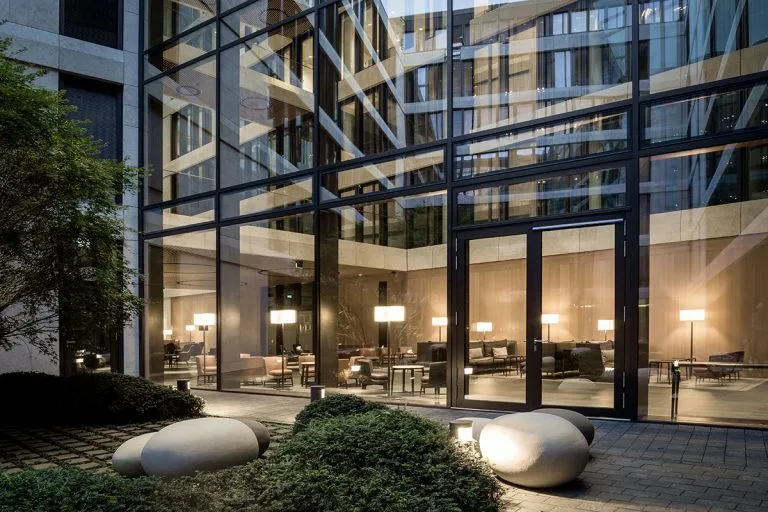
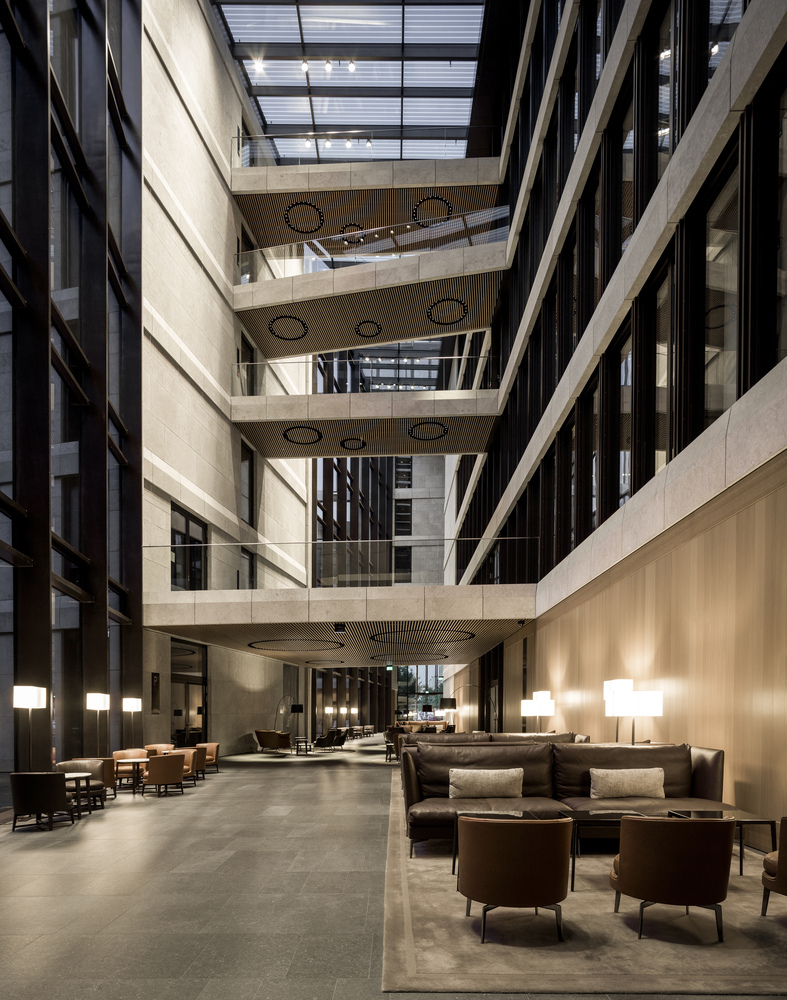
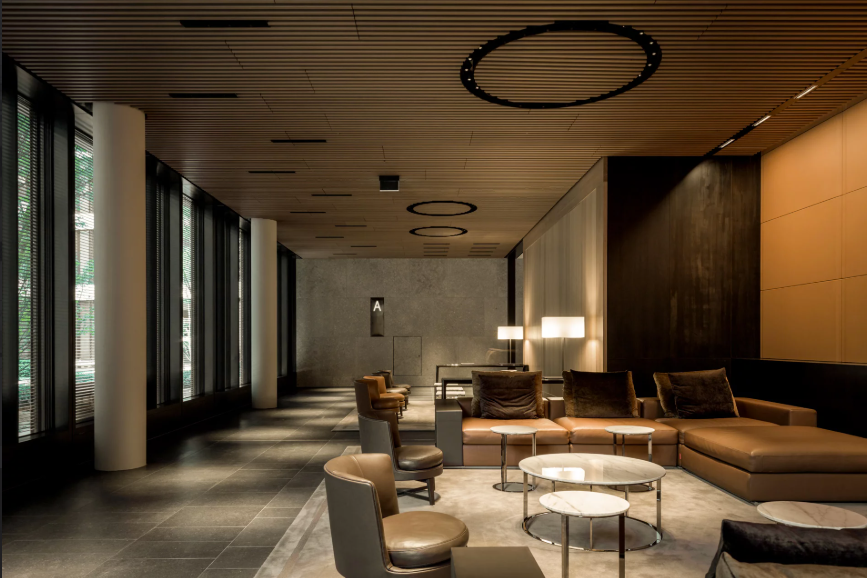
NOVE München, an office building in Munich’s Arnulfpark, was completed in 2017 as a LEED Platinum-certified building with high technical and comfort standards. Despite this strong starting point, the building owners and operators recognised that continuous operational optimisation was needed to maintain energy efficiency and comfort as usage patterns evolved.
The challenge was to ensure that the building’s sophisticated technical systems — including HVAC, temperature control, and ventilation — could adapt to changing occupancy and environmental conditions without compromising user comfort or system reliability. For this purpose, the project developers decided to go beyond static efficiency through predictive, data-driven optimisation. This required integrating different building systems into a unified management platform while ensuring seamless operation for tenants across 1,300 workstations.
The solution: Integrated BACS as the operational backbone
The first step to address the complexity of this project was the development of a structured integration concept for building automation. SAUTER provided a central platform for visualisation, operation and monitoring, serving as a single digital interface for all building systems. The building was equipped with automation stations to digitally control heating, ventilation and cooling, while local automation was installed for offices and conference areas to ensure demand-based operation. This BACS foundation enabled continuous monitoring and control, with data from 250 consumption meters feeding real-time optimisation of HVAC and ventilation systems.
The system architecture also allowed further optimisation to be added without disrupting core operations. In 2023, the BACS was enhanced through the integration of Meteoviva Climate into SAUTER Vision Center, creating a digital twin for predictive operational optimisation. At the same time, the existing automation system, including sensors and control strategies, was reviewed to identify additional optimisation potential.
Through these improvements, the project saved 33% of the building’s CO₂ emissions, equivalent to 176 tonnes of CO₂ annually. The energy requirements and energy costs also dropped by 30% while maintaining a high level of room comfort.
Why this matters for the EPBD
The NOVE München project illustrates several BACS functions that are relevant to the recast Energy Performance of Buildings Directive and to the wider shift towards continuous building performance:
- Continuous monitoring and analysis of energy use across all technical building systems;
- Interoperability between different building systems and suppliers through the unified management platform;
- Benchmarking and detection of inefficient system operation through comprehensive data collection;
- Support for smart readiness with advanced control capabilities that adapt to evolving regulatory requirements.
The project shows why BACS should not be seen only as a compliance technology. In practice, a robust automation layer can support regulatory readiness, help maintain comfort and efficiency during changing use patterns, and create a platform for further optimisation throughout the building’s life cycle.
Reported impact
The comprehensive BACS, enhanced with predictive capabilities, delivered measurable improvements:
- Up to 176 tonnes of CO₂ emissions saved per year
- 30% reduction in energy consumption
- Up to €3.60/m² in annual energy cost savings
- Maintained high comfort levels without any restrictions for building users
- Centralised control of all systems through a single management interface
These results demonstrate that well-designed BACS can unlock additional savings even in already high-performance buildings. The case strengthens the business argument for investing in comprehensive building automation as the foundation for continuous operational improvement.
Find out more
Read SAUTER’s full NOVE München project article.